
The Surprising History of the Star of David: From Ancient Symbol to Jewish Icon
Star of David Team3 min read
Updated:
It’s bold, it’s beautiful, and it’s everywhere: on synagogues, flags, tombstones, necklaces, and even tattoos. The six-pointed star we know as the Star of David (or Magen David) has become the universal emblem of Jewish identity. But have you ever wondered: Why this symbol? Why two interlocking triangles? Why now? The history of the Star of David holds some surprising answers.
It turns out the Star of David didn’t start off as exclusively Jewish—and its journey to becoming a national and spiritual symbol is filled with twists, mysticism, irony, and global connection.
A Star Shared by the World
Long before the Star of David was stitched onto Israeli flags, it appeared in places you’d never expect.
From as early as the Bronze Age, the hexagram was used in regions as far apart as Mesopotamia and Britain, and Iron Age examples are known from India and the Iberian peninsula—possibly as an ornament, possibly as a magical sign.
In Arabic sources, the hexagram—along with the five-pointed pentagram—was called the Seal of Solomon.
In those contexts, it wasn’t “Jewish” at all.
The Jewish Connection in the History of the Star of David
So when did this symbol become ours?
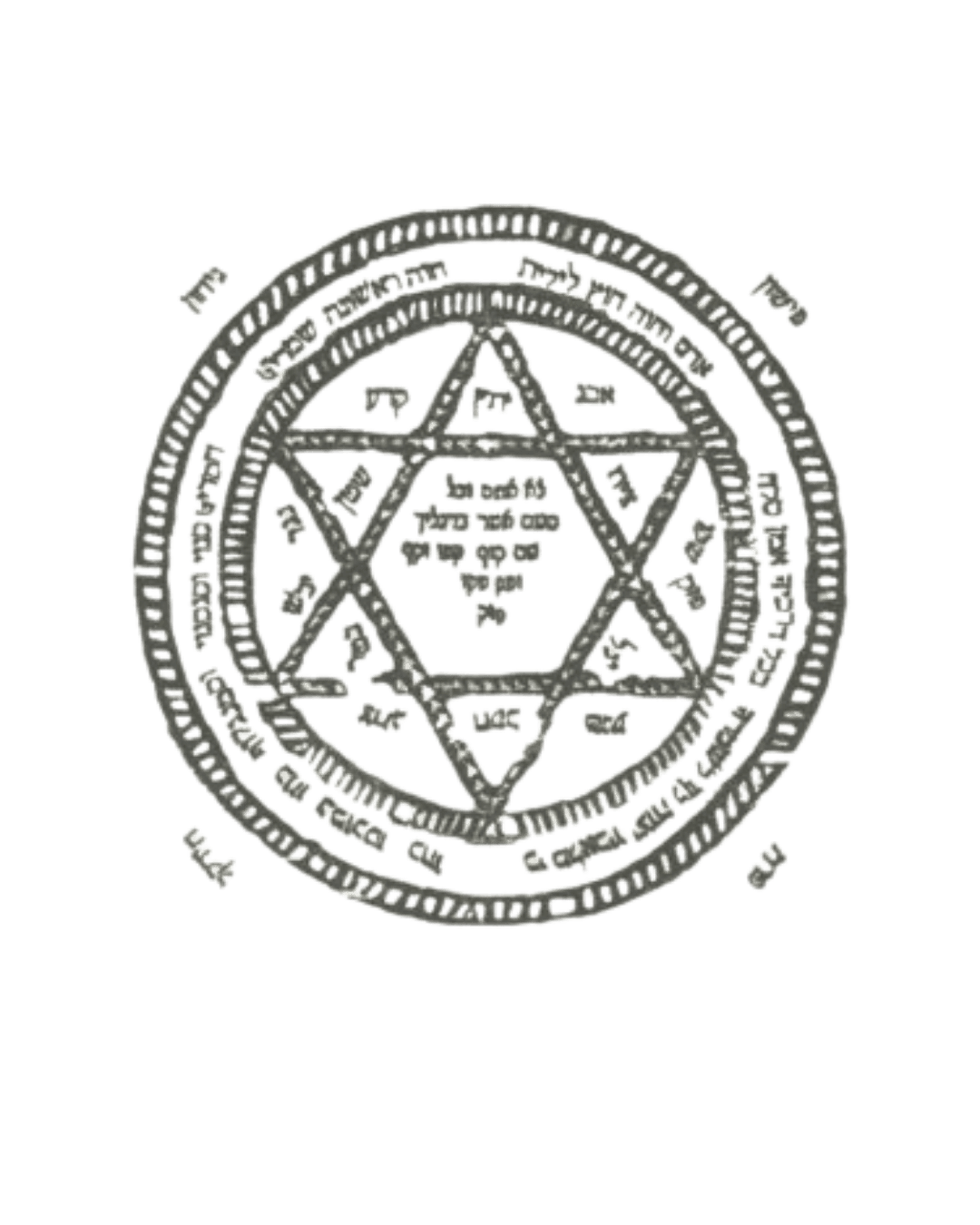
The phrase "Shield of David" (Magen David) appears in the Babylonian Talmud—but not as a geometric symbol. It closes a blessing, describing God as David’s shield.
In the Middle Ages, the six-pointed star found a place in Jewish magic and Kabbalah, Jewish mysticism. As historian Gershom Scholem documented, it appeared on protective amulets and in magical texts, where it was called both the “Shield of David” and the “Seal of Solomon”.
In 1354, Charles IV, then King of Bohemia, granted the Jews of Prague the privilege of their own flag—later called “King David’s flag”, showing a hexagram. From there, its use as a community emblem spread gradually, and only in the 19th century did it become a general sign of Judaism.
Zionism, Tragedy, and National Symbolism
Centuries later, the Zionist movement needed a flag. Theodor Herzl had proposed a white flag with seven gold stars.
The flag associated with the First Zionist Congress in 1897 was different: a Magen David between two blue stripes—an echo of the tallit (prayer shawl), according to the later recollection of David Wolffsohn. A spiritual symbol, reborn into a national one.
But history had its own cruel irony.
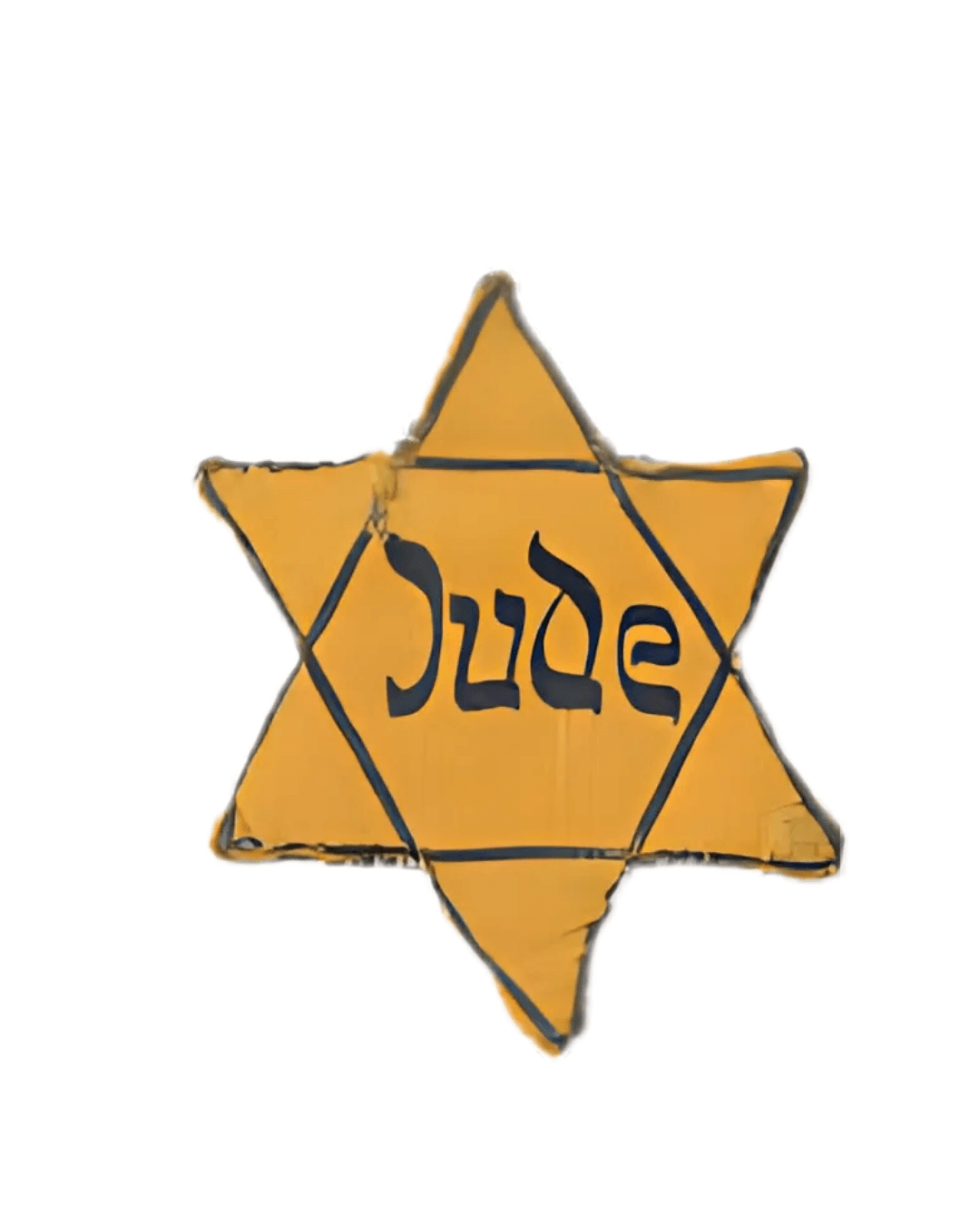
During the Holocaust, Nazi authorities forced Jews to wear identifying badges. Their form and timing varied by territory, and the yellow Star of David became one of the most notorious, branding Jews with shame. And yet, in a tragic twist, that same symbol—used to isolate and humiliate—came to stand for Jewish survival and statehood.
On 28 October 1948, the Zionist flag, with the Star of David at its center, was adopted as Israel’s national flag.
Today: More Than a Symbol
Today, the Star of David is more than a logo.
It’s a memory. A declaration. A unifying force.
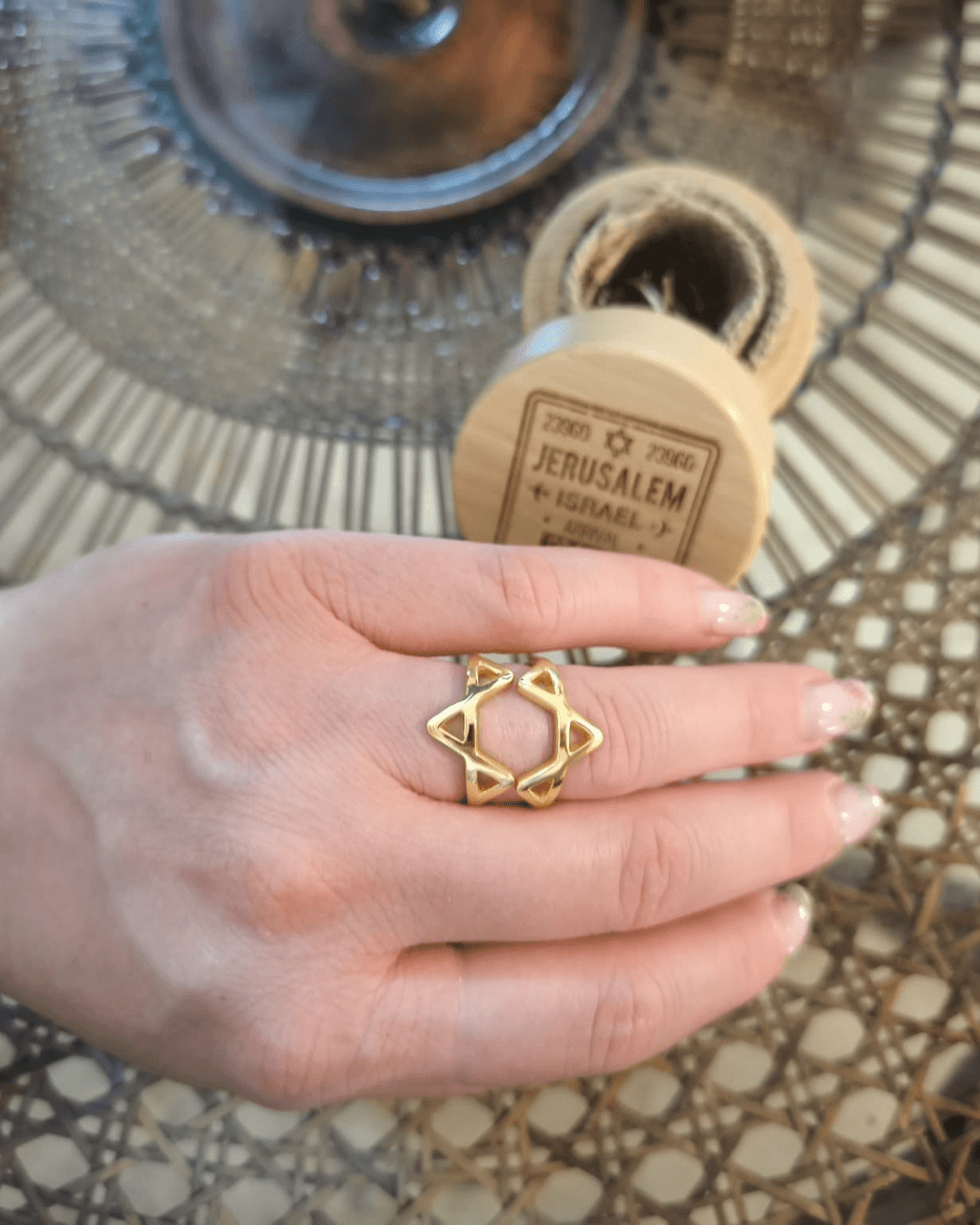

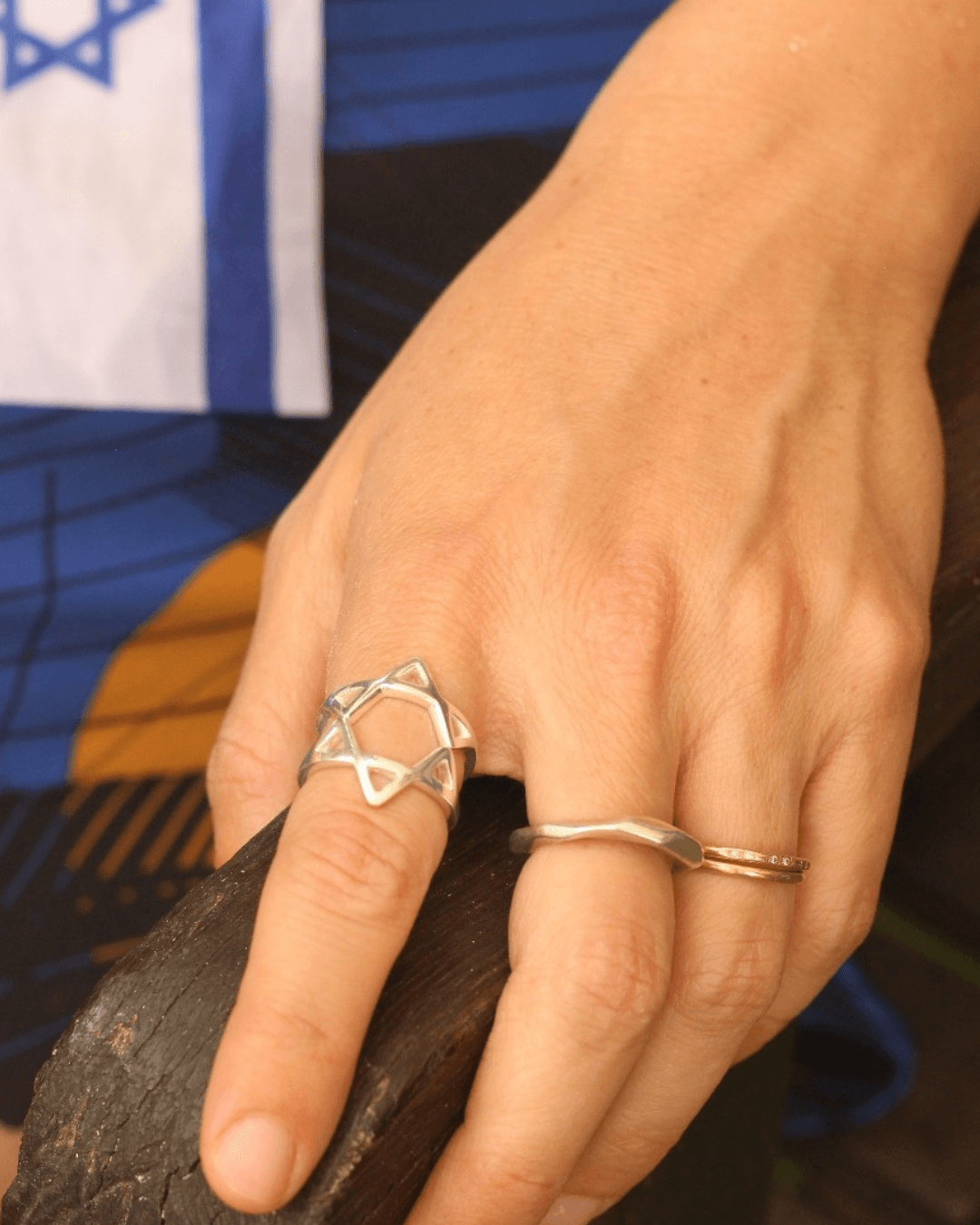
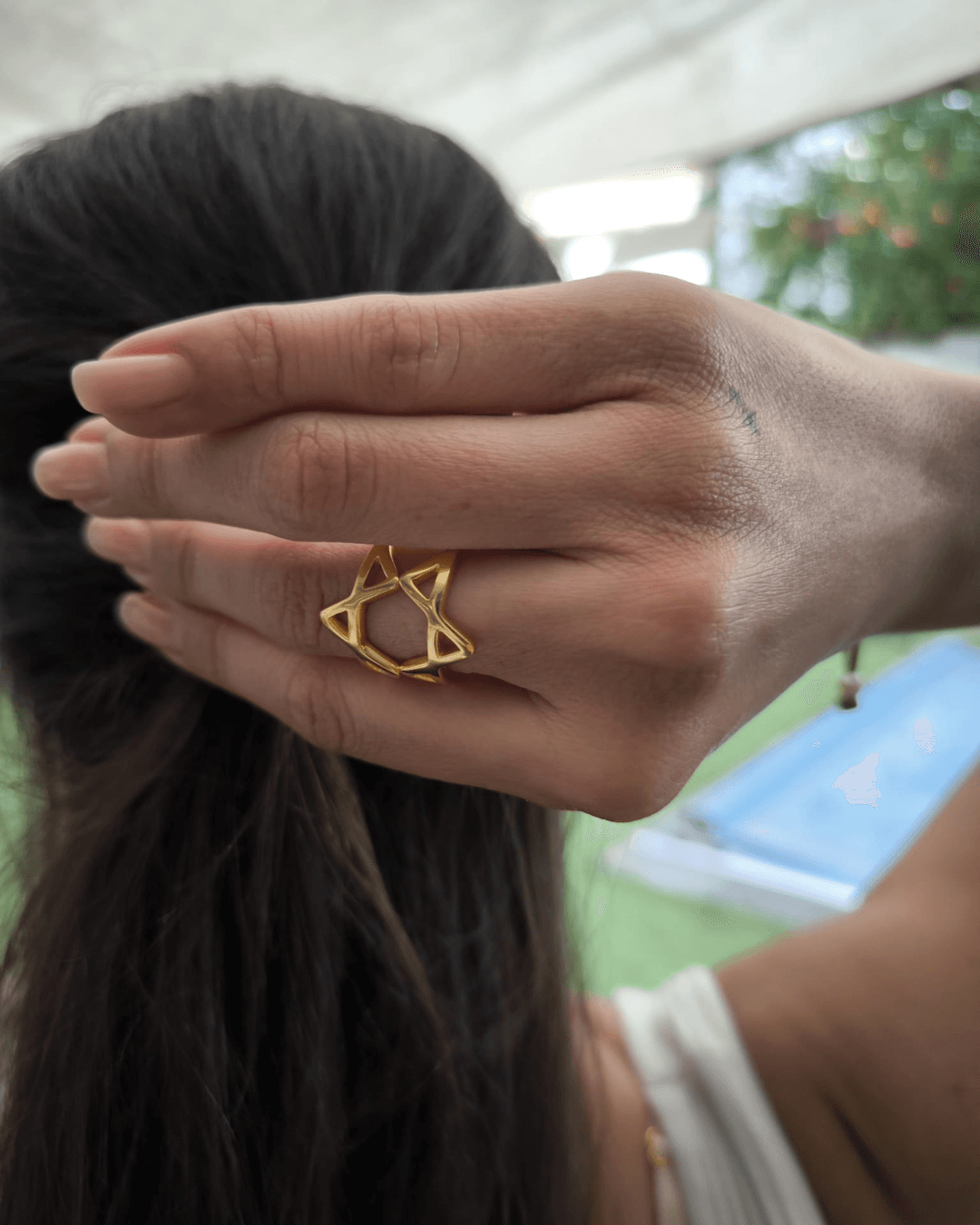
It’s found in cemeteries and birth announcements, on military badges and classroom walls, in mezuzahs and meditation guides.
And yes—on tattoos, T-shirts, and even emojis.
It’s a reminder of the past and a prayer for the future.
Two triangles, forever intertwined. Heaven and earth. You and me.
And let’s be honest—one of its greatest advantages? It’s really easy to draw.
Unless you’re a bank that accidentally prints it upside down (true story: that actually happened in Israel in 2008).
In the End…
The Star of David is many things:
✨ A mystical diagram.
✨ A political emblem.
✨ A spiritual shield.
✨ A universal symbol made personal.
It’s endured centuries of exile and return, of hiding and shining. And now, more than ever, it reminds us that our identity is both ancient and alive.
So next time you spot the Star—on a flag, a gate, or around someone’s neck—pause for a second.
You're not just looking at a shape.
You're looking at a story.
Wear the story. Carry generations of strength, pride, and unity with you, and discover the meaning behind the Star of David ring.
👉 Explore our Star of David jewelry and honor the symbol that unites us all.